Inbox Over Algorithms: Why Newsletters Are Winning the Morning Routine War
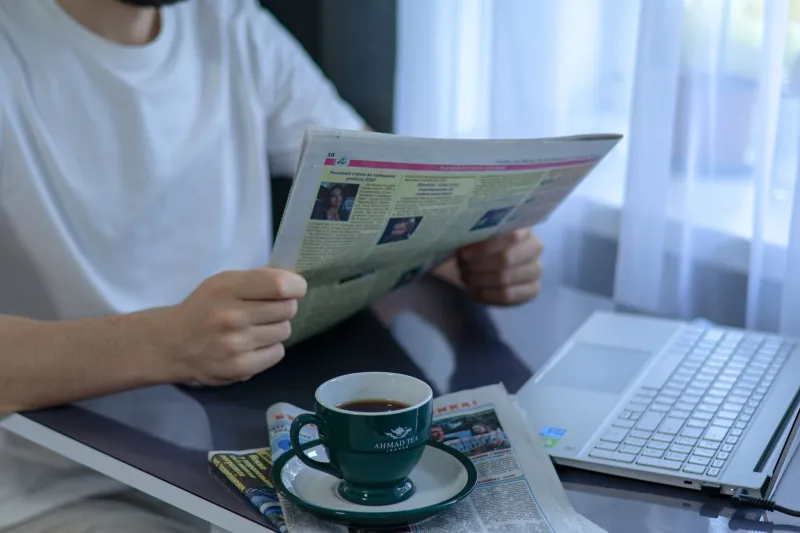
Somewhere between the fourth anxiety-inducing push notification and the seventeenth algorithmically-served outrage post, a lot of people just... stopped. Not stopped consuming news entirely — stopped consuming it that way. And in the space left behind, something surprisingly old-school has stepped up: the email newsletter.
Tuesday mornings, in particular, have become a kind of unofficial newsletter rush hour. Open rates spike. Readers who've already survived Monday's chaos are mentally primed for something a little more considered. Newsletter creators know this. Audiences are starting to feel it too. And the data is backing all of it up in ways that are genuinely reshaping how media companies, independent writers, and curious readers think about information.
The Notification Burnout Is Real
Let's call it what it is: push notification fatigue has hit a wall. According to data from mobile analytics firm Airship, average push notification opt-in rates in the US have been declining steadily, with many news apps seeing engagement drop off sharply after the first few weeks of installation. People download the app, get bombarded, and quietly revoke permission.
Social feeds aren't filling that gap the way platforms hoped they would. The problem isn't that people don't want information — it's that they don't want that much information delivered that frantically. Every alert feels like an emergency. Every scroll feels like a gamble. Over time, the brain starts treating it all as noise.
Newsletters operate on a completely different psychological contract. You opted in. You know when it's coming. There's no algorithm deciding to surface something inflammatory because it'll keep you engaged longer. It just shows up, like a letter from someone you actually chose to hear from.
"There's a trust element that's hard to overstate," says Marcus Webb, who runs The Weekly Briefing, an independent newsletter covering domestic policy and culture with around 40,000 subscribers. "My readers aren't stumbling across my work because an app decided to push it at them. They signed up. That completely changes the relationship."
Why Tuesday Is the Sweet Spot
Ask any newsletter creator with a serious audience what day they send, and a disproportionate number will say Tuesday. It's not superstition — there's genuine behavioral logic behind it.
Monday is recovery mode. People are catching up, triaging their inboxes, mentally recalibrating after the weekend. Friday is mentally checked out. Wednesday through Thursday is crunch time for most office workers. But Tuesday? Tuesday has this weird pocket of attentiveness. The week feels manageable. People have bandwidth.
Mailchimp's own send-time research has consistently flagged Tuesday as one of the highest-performing days for open rates across industries, and media-focused newsletters tend to cluster there heavily. Morning sends — particularly between 7 and 9 AM Eastern — catch people during commutes, coffee, and that pre-meeting scroll that used to belong entirely to Twitter or Instagram.
Jamila Torres runs Soft Landing, a newsletter about personal finance and mental wellness that she describes as "the antidote to the doom economy content cycle." She switched her send day from Thursday to Tuesday eight months ago and saw open rates climb nearly 12 percent. "People were telling me they wanted something to look forward to earlier in the week," she says. "Tuesday gives them that. It's like a small thing that makes the week feel more intentional."
What Categories Are Actually Winning
Not all newsletters are thriving equally. The ones pulling consistent audiences tend to cluster around a few specific themes — and they say a lot about what people actually want versus what the algorithmic feed kept serving them.
Curation-first newsletters — the ones that essentially do the reading for you and surface only the worthwhile stuff — are performing exceptionally well. In an era of content overload, the editor-as-filter is genuinely valuable. Publications like Morning Brew built entire media companies on this premise, and the model keeps spawning successful imitators at every niche level.
Local and hyper-specific newsletters are having a genuine moment. With local news outlets continuing to shrink, independent newsletters covering specific cities, neighborhoods, or regional beats are filling real voids. Platforms like Substack and Beehiiv are full of writers covering their specific metro area with more depth than the remaining local TV affiliate ever could.
Wellness and lifestyle newsletters with an editorial voice — not the corporate-feeling ones, but the ones that feel like a smart friend talking — are finding loyal audiences among readers exhausted by both the relentless negativity of hard news and the toxic positivity of Instagram wellness culture. There's a middle register people are hungry for.
Culture and entertainment roundups (hello, our entire thing at WeekPosts) are thriving because people genuinely want someone to help them figure out what's worth watching, reading, and paying attention to this week. The paradox of choice is real, and a trusted voice cutting through it has enormous value.
The Intentional Consumption Shift
There's a bigger cultural story underneath all of this. Americans are increasingly pushing back against the passive, reactive mode of media consumption that social platforms engineered. The endless scroll was designed to keep you consuming without really choosing. Newsletters force a different posture.
You open it or you don't. You read it now or you archive it for later. It's a finite object with a beginning and an end, which is a genuinely radical thing in a media landscape built around infinite feeds. Psychologists who study media habits have started calling this shift toward "intentional consumption" — the deliberate act of choosing your information sources rather than letting an algorithm choose for you.
"When people feel like they have agency over what they're reading, they enjoy it more and retain it better," says Dr. Patricia Osei, a media psychologist based in Chicago who has studied digital consumption patterns. "The newsletter format restores some of that agency. You chose this. You're not just being fed."
It's Not a Revolution, But It Might Be a Recalibration
Newsletters aren't going to replace everything. Social media isn't dying. Push notifications will still buzz your phone when something genuinely breaking happens. But the quiet migration of a meaningful chunk of the reading public toward curated, inbox-delivered content is real, and it reflects something worth paying attention to.
People don't necessarily want less information. They want better information, delivered with some respect for their time and attention. They want to feel like they're reading, not just reacting.
If your Tuesday morning is currently starting with a thumb-scroll through a feed that leaves you feeling vaguely anxious and poorly informed, there's a decent chance someone out there has already built the newsletter that would serve you better. It's probably sitting in someone's inbox right now, doing exactly what the best media has always done — making sense of the week, one story at a time.