Why Your Wednesday Self-Care Ritual Is Making You More Stressed (And What to Do Instead)
Wednesday has a reputation problem. It's not the fresh-start energy of Monday or the celebratory buzz of Friday. It's that awkward middle child of the work week — the day when your to-do list feels longest, your motivation is running on fumes, and yet somehow wellness culture keeps insisting this is the perfect moment to light a candle, draw a bath, and unwind.
Except it doesn't work. Not really. And if you've ever found yourself lying in a bubble bath on a Wednesday night, mentally drafting tomorrow's emails while a $14 bath bomb fizzes sadly around you, you already know this.
So what's actually going on? And more importantly, what does work?
The Relaxation Resistance Problem
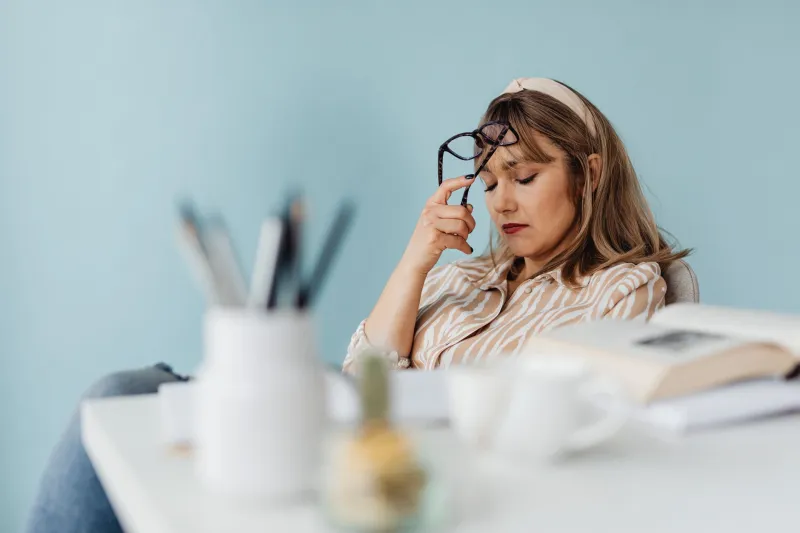
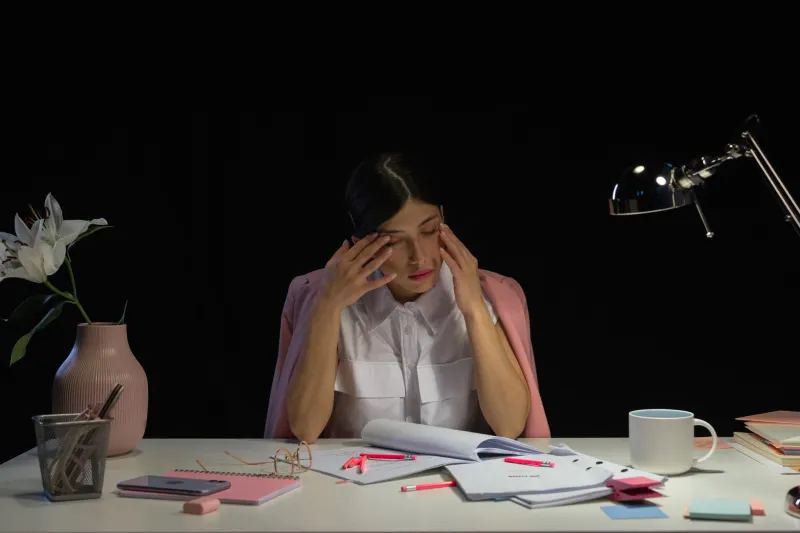
Here's the uncomfortable truth: your brain doesn't switch gears on command. Psychologists call it "cognitive residue" — that mental film of unfinished tasks and unresolved stress that clings to your thoughts even when you're technically off the clock. On a Wednesday, that residue is at peak thickness. You've accumulated two full days of work friction, you've still got two more to go, and there's no natural finish line in sight.
When you try to force a full relaxation routine into that mental state, your nervous system basically rebels. Instead of winding down, your brain interprets the sudden shift as another item on the checklist. The bath stops being a bath. It becomes a performance of self-care — something you're doing to feel like a person who has it together, rather than something that's genuinely restoring you.
Research in behavioral psychology backs this up. Trying to engage in high-effort wellness activities — think elaborate skincare routines, guided meditation sessions, or full yoga flows — during peak stress windows often activates what's known as "demand reactance." Essentially, the more pressure you put on yourself to relax, the more your stress response pushes back. Wednesday, statistically speaking, is one of the worst days to attempt anything that requires sustained mental stillness.
Why We Keep Falling for It Anyway
Blame the wellness industrial complex, honestly. The self-care content that dominates social media is almost universally aspirational — it's designed to look beautiful in a flat lay, not to fit inside a chaotic mid-week evening. Those images of serene women in robes holding mugs of herbal tea don't come with a caption that says "also, I had three unread Slack messages and a deadline tomorrow."
We've been sold the idea that self-care is a destination — a full, immersive experience you arrive at after checking every box. And because Wednesday feels like the week's emotional low point, it becomes the day we're most likely to overcorrect. We want the grand gesture. We want to feel better right now. So we attempt the full spa evening, crash halfway through because it feels fake and forced, and then feel guilty on top of tired.
It's a cycle that's very easy to fall into and surprisingly hard to recognize from the inside.
The Case for Going Smaller
What actually moves the needle on a Wednesday isn't a ritual — it's a reset. And resets are tiny by design.
Behavioral scientists have increasingly pointed to what they call "micro-recovery" as the more effective alternative to scheduled downtime during high-stress periods. These are small, almost laughably simple actions that interrupt the stress loop without demanding anything significant from your already-depleted mental bandwidth.
Think: stepping outside for five minutes without your phone. Eating lunch away from your desk — even if it's just moving to your couch. Putting on a playlist you genuinely like for your commute home instead of catching up on a podcast that feels like homework. Texting a friend something dumb and funny with zero expectation of a deep conversation.
None of these things look like self-care on Instagram. But that's kind of the point.
What Wellness Actually Looks Like Mid-Week
The most effective Wednesday wellness habits share a few key characteristics: they're low-friction, they don't require a "mood," and they don't punish you if you only do them halfway.
Movement in small doses beats the gym you'll skip. A 10-minute walk around the block after dinner does more for your cortisol levels than a 45-minute workout you've been dreading since Monday. Don't wait until you have the energy for the full thing. Do the small thing now.
Sensory anchors work better than routines. Instead of committing to a full wind-down ritual, pick one sensory cue that signals a shift — a specific candle you only light at the end of your workday, a particular tea you make when you close your laptop, a short playlist that marks the transition from work mode to human mode. Your brain is surprisingly good at responding to these small environmental signals without needing the whole production.
Social micro-doses beat isolation. Mid-week loneliness is real, even for introverts. A quick phone call with someone who makes you laugh, a short walk with a neighbor, or even a low-key TV watch party over text can provide the social regulation your nervous system is actually craving. Solitary self-care rituals, while sometimes valuable, can accidentally deepen the mid-week funk if you're already feeling disconnected.
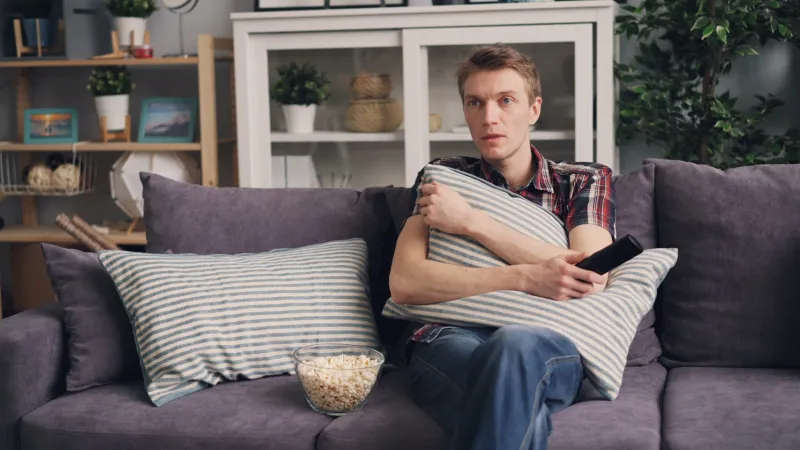
Permission to be mediocre is genuinely therapeutic. One of the most underrated Wednesday moves? Watching something completely brainless with zero guilt. Not a documentary. Not a prestige drama. Something dumb and fun that you don't have to think about. Giving yourself explicit permission to coast for an hour is a legitimate stress-management tool, not a failure of discipline.
Reframing Wednesday Entirely
Maybe the bigger shift is in how we think about Wednesday itself. Instead of treating it as the week's lowest point — the day you survive until Friday — what if it became the day you practice the smallest possible version of feeling okay?
Not thriving. Not optimizing. Not performing wellness for an audience of one. Just: a slightly shorter to-do list, one thing that made you laugh, five minutes of fresh air, and the conscious decision not to demand more from yourself than the day actually allows.
That's not giving up on self-care. That's finally doing it right.
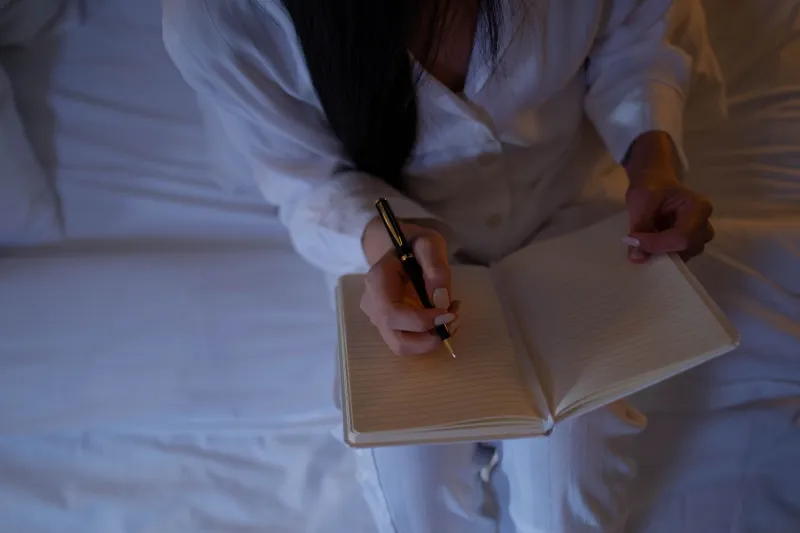
The grand Wednesday wellness gesture will probably keep calling to you — the elaborate face mask, the 60-minute yoga video, the journaling session you've been putting off since January. And sometimes, when the stars align and you actually have the energy, go for it. But on the average Wednesday, when the week is sitting heavy and your brain is full of noise, the smallest possible act of kindness toward yourself is almost always the one that actually lands.
Your Wednesday doesn't need a spa. It just needs a little breathing room.